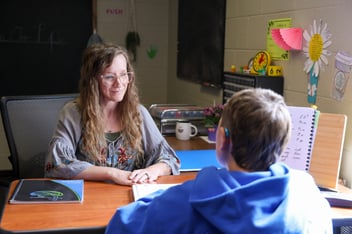


Every student deserves the opportunity to learn, participate, and succeed. For students with disabilities, creating space for this opportunity often requires intentional collaboration, individualized support, and strong advocacy. Special education leaders play an essential role in creating the systems and environments that allow students, families, and the educators serving them to thrive.
Effective special education leadership goes beyond managing programs. It involves advocating for students, supporting educators, fostering inclusion, and making informed decisions that help improve educational experiences and outcomes for all students.
Let’s explore how special education leaders help create opportunities for student success.
What Does a Special Education Leader Do?
Special education administrators support students with disabilities, their families, and the educators who serve them. Their responsibilities may include overseeing programs and services, supporting teachers, ensuring compliance with special education laws and regulations, collaborating with families and interdisciplinary teams, and using data to inform decisions.
Because their work can influence entire schools and districts, special education leaders have an opportunity to create meaningful, lasting change. Here are seven ways they can support student success.
1. They Advocate for Inclusive Learning Environments
Inclusive education means creating learning environments where students with disabilities have access to appropriate instruction, resources, accommodations, and opportunities to participate alongside their peers.
Special education administrators can help schools identify and remove barriers to participation, encourage inclusive instructional practices, advocate for appropriate accommodations and modifications, and promote high expectations for students with disabilities.
Importantly, inclusion does not mean that every student receives the same support. Effective inclusion recognizes individual strengths, needs, and goals, and provides students with the resources they need to participate and grow.
By helping schools build inclusive classrooms and school cultures, special education leaders can create environments where differences are respected, and every student has an opportunity to succeed.
2. They Support and Empower Educators
Supporting students begins with supporting the educators who serve them. Teachers, paraprofessionals, and other education professionals need resources, professional development, and opportunities to collaborate in order to effectively respond to diverse student needs.
Special education leaders create environments where educators feel equipped to ask questions, share ideas, and work together to solve challenges. They can encourage collaboration between general and special education teachers, provide professional learning opportunities, and connect educators with appropriate resources and support.
Strong leaders also recognize the expertise of the people they lead. By listening to educators, encouraging innovation, and giving them opportunities to contribute their knowledge, leaders can build strong teams better prepared to support students.
3. They Build Strong Partnerships With Families
Families bring valuable knowledge about their child’s strengths, interests, experiences, and needs, making them important members of the team supporting that student’s success. Special education administrators can help ensure families are treated as essential partners in decisions about their children’s education.
Building those partnerships begins with open, respectful communication. Leaders can encourage school teams to keep families informed, listen to their perspectives, and include them in conversations about student goals and support.
Family partnerships are especially important when students prepare for transitions beyond K-12 education. By connecting families with educators, community organizations, and other agencies, special education leaders can help create networks of support that extend beyond the classroom.
When families and educators work together, they gain a more complete understanding of the student and can develop support strategies that reflect the student’s individual needs.

4. They Use Data and Assessment to Guide Decisions
Data and assessment give special education leaders valuable information to understand student needs, monitor progress, and evaluate whether educational supports are effective.
Leaders may use assessment information to identify strengths and areas of need, monitor academic and behavioral progress, evaluate interventions, identify gaps in services, and make informed program decisions.
However, data is only one part of the picture. Effective leaders consider assessment results alongside classroom experiences, observations, family perspectives, and individual student goals. This helps teams avoid a one-size-fits-all approach and make decisions based on the whole student.
At the program level, data can also help leaders identify opportunities for professional development, additional resources, or improvements to existing practices.
5. They Help Ensure Students Receive Appropriate Supports
Students with disabilities may require different types of support to fully participate in their education. Special education leaders help schools develop systems that connect students with appropriate services, resources, and learning opportunities.
Depending on individual needs, support may include accommodations, curricular adaptations, assistive technology, behavioral strategies, or specialized instruction. Leaders can help teams identify appropriate resources, coordinate services, and monitor whether existing supports are meeting student needs.
This responsibility also requires an understanding of special education law and policy. Leaders must be prepared to advocate for students while helping educators navigate the requirements associated with providing special education services.
By building effective systems and advocating for equitable access, special education leaders help ensure students have the support they need to learn and grow.
6. They Prepare Students for Life Beyond the Classroom
Student success does not end with academic achievement or graduation. Special education leaders can help schools prepare students for the next stage of their lives, whether that involves higher education, employment, community involvement, independent living, or other goals.
Transition planning considers a student’s strengths, interests, and goals, and identifies the skills, services, and resources that can help the student move forward.
Special education leaders can support this process by encouraging student participation in planning, helping educators establish appropriate postsecondary goals, and connecting students and families with community agencies and other resources.
By building partnerships beyond the school, leaders can help students develop the confidence, skills, and support networks needed to pursue meaningful goals after graduation.
7. They Lead With Advocacy, Collaboration, and Service
Effective special education leadership is rooted in a commitment to serving students, families, and educators. Strong leaders listen to different perspectives, recognize others' strengths, and work collaboratively to address challenges.
This is why servant leadership can have a meaningful impact. Rather than simply directing others, servant leaders seek to remove barriers, provide support, and empower the people around them.
For special education leaders, this may mean asking what a student needs to succeed, what resources an educator needs to serve students effectively, or what barriers a school can address together.
Southern Nazarene University’s Master of Arts in Administration of Special Education incorporates servant leadership as an important part of its preparation for future leaders, emphasizing the importance of putting people first, recognizing strengths, and working collaboratively.
Ultimately, effective special education leadership is an opportunity to serve. By combining advocacy, collaboration, and a commitment to empowering others, leaders can help create educational communities where students with disabilities are supported, valued, and given meaningful opportunities to succeed.

How a Master’s Degree Can Prepare You for Special Education Leadership
Moving into special education leadership requires more than a passion for helping students. Professionals in leadership roles need the knowledge and skills to navigate educational systems, advocate for students and families, support educators, and make informed decisions.
A master’s degree in special education administration can help educators build that expertise. Coursework may address special education law and policy, leadership and advocacy, inclusive instruction, assessment and evaluation, behavior support, assistive technology, collaboration, family partnerships, transition planning, and program administration.
Southern Nazarene University’s Master of Arts in Administration of Special Education is designed for educators who want to strengthen their expertise as special education teachers and leaders. The program combines specialized coursework with a focus on practical leadership and includes a cohort-based format with classes offered one night a week or fully online, providing flexibility for working professionals.
For educators ready to expand their impact, advanced preparation can provide the knowledge and confidence needed to lead more effectively and advocate for the students and communities they serve.
Make a Difference Through Special Education Leadership
Every student’s path to success looks different. Strong special education leaders recognize those differences and work to create inclusive environments, supportive teams, and the resources students need to thrive.
Their influence extends beyond individual classrooms. They empower educators, partner with families, use information to guide decisions, advocate for appropriate support, and help students prepare for meaningful futures beyond school.
Ultimately, special education leadership is about creating systems where students have the opportunity to learn, grow, and reach their full potential.
If you’re ready to take your experience in education to the next level, explore Southern Nazarene University’s Master of Arts in Administration of Special Education and discover how advanced preparation can help you become a stronger advocate and leader for students with disabilities.