

Whether you’re considering a career in psychology, counseling, mental health services, or another similar field, choosing the right graduate psychology program is one of the most important decisions you will make in your journey.
At Southern Nazarene University (SNU), students interested in helping professions often explore the two programs in SNU’s Graduate Programs in Counseling and Psychology: the Master of Arts in Applied Psychology (MAAP) and the Master of Science in Counseling Psychology (MSCP).
While both programs share a strong foundation in psychology, human behavior, ethics, and compassionate service, they are designed for distinctly different career goals. Understanding the difference between the MAAP and MSCP programs can help you choose the path that best fits your calling, interests, and professional goals.
What Is the MAAP Program?
The Master of Arts in Applied Psychology (MAAP) program at SNU is designed to provide students with advanced psychological knowledge and practical skills applicable across a range of helping professions.
The MAAP program focuses on areas such as:
- Psychological assessment and diagnosis
- Human behavior and development
- Research and critical thinking
- Ethics and professionalism
- Cultural responsiveness
- Integration of values and beliefs into practice
Because the MAAP is a non-licensure program, it is often a strong fit for students who want to deepen their understanding of psychology without pursuing licensure in clinical counseling.
Graduates from the MAAP program may pursue careers in areas such as:
- Human services
- Ministry and faith-based organizations
- Behavioral support roles
- Case management
- Community outreach
- Nonprofit leadership
- Research support
- Organizational and people-focused roles
The program can also serve as a stepping stone for students considering future doctoral study or additional graduate education.
What Is the MSCP Program?
The Master of Science in Counseling Psychology (MSCP) program is designed for students seeking licensure as licensed professional counselors.
Unlike the MAAP, the MSCP includes advanced clinical training, counseling techniques, practicum experiences, and internships that prepare students to pursue licensure as a Licensed Professional Counselor (LPC) in Oklahoma.
Students in the MSCP program complete:
- Counseling theory coursework
- Clinical treatment training
- Practicum experiences
- Internship hours with direct client contact
- Preparation for licensure exams
This program is designed for students who want to work directly with people, helping individuals, couples, families, or groups in therapeutic settings.
Career paths for MSCP graduates may include:
- Licensed Professional Counselor (LPC)
- Mental health therapist
- School-based mental health provider
- Behavioral health consultant
- Trauma and crisis intervention specialist
- Private practice counselor
SNU’s MSCP program has been training counselors for more than 30 years and includes hands-on experience through the university’s Renew Counseling Center.

MAAP vs. MSCP: What Is the Big Difference?
The simplest way to understand the difference is this:
- The MAAP focuses on applied psychology knowledge for a wide range of helping professions.
- The MSCP prepares students for clinical counseling practice and professional licensure.
If your goal is to become a licensed therapist or counselor who provides direct mental health treatment, the counseling psychology master’s program is likely the better fit.
If you are more interested in a better understanding of psychology and human behavior while pursuing roles in leadership, ministry, nonprofit work, or support-oriented helping professions without pursuing licensure, the applied psychology master’s degree may align better with your goals.
Which Program Is Right for You?
As you compare graduate psychology degree programs, ask yourself a few important questions:
Do you want to become a licensed counselor?
If the answer is yes, counseling psychology graduate school is most likely the better choice, as the MSCP is designed specifically for that pathway. This program includes the coursework, practicum, and internship experiences required for LPC preparation.
Do you want flexibility in how you apply psychology?
An applied psychology graduate school program, such as the MAAP, may be a stronger option if you want to pursue psychological training that can be applied across multiple professional settings without pursuing clinical licensure.
Do you want to work directly with clients in therapy settings?
The MSCP emphasizes counseling techniques, treatment planning, and supervised clinical experiences that prepare students for direct therapeutic work.
Are you interested in psychology but still exploring your long-term goals?
Some students choose the MAAP because they want a graduate-level psychology education while continuing to explore and expand future career options.
Do you feel a calling toward counseling?
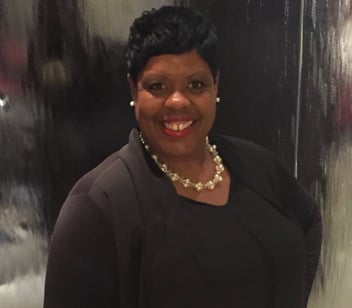
According to Dr. Wesley C. Lee, Program Director for SNU’s Graduate Programs in Counseling and Psychology, many students who pursue careers in counseling often recognize similar qualities within themselves long before they enter the profession.
“There are often recognizable qualities among individuals who pursue careers in counseling,” Lee explains. “Many of our graduate students share similar experiences. They are often the trusted confidants within their families and social circles.”
Lee shares that, even as a teenager, he recognized a desire to help others navigate difficult situations and emotional challenges. He believes many future counselors naturally demonstrate qualities such as empathy, active listening, patience, compassion, and open-mindedness.
“Although I did not initially pursue counseling as a career path, I sensed early on that my professional life would somehow involve supporting others in meaningful ways. It was a calling,” Lee says.
For students who feel drawn toward helping others, graduate education in counseling or psychology can provide a meaningful pathway toward work that aligns with both personal strengths and professional goals.
A Shared Commitment to Compassionate Service
Although these two programs serve different professional goals, both reflect SNU’s commitment to Christ-centered education, compassionate care, and meaningful service.
Students in both programs learn to engage thoughtfully with concepts such as human behavior, relationships, ethics, and emotional well-being while developing the skills needed to make a positive impact in their communities.
Dr. Lee notes that many individuals who pursue counseling or psychology-related careers are seeking work that feels deeply meaningful and people-centered.
“Are you currently in a career that leaves you feeling unfulfilled?” Lee asks. “Do you recognize some of these qualities within yourself, or feel called to help others through counseling?”
Whether you feel called to counseling, advocacy, ministry, behavioral support, or another helping profession, SNU’s Graduate Programs in Counseling & Psychology are designed to help you grow personally, professionally, and academically.
Explore SNU’s Graduate Programs in Counseling & Psychology
If you are ready to take the next step toward a career that supports and serves others, SNU’s Graduate Programs in Counseling & Psychology can prepare you to move forward with confidence.
Learn more about the:
- Master of Arts in Applied Psychology (MAAP) Program
- Master of Science in Counseling Psychology (MSCP) Program
You can also connect with an enrollment counselor to discuss which program best fits your goals.