
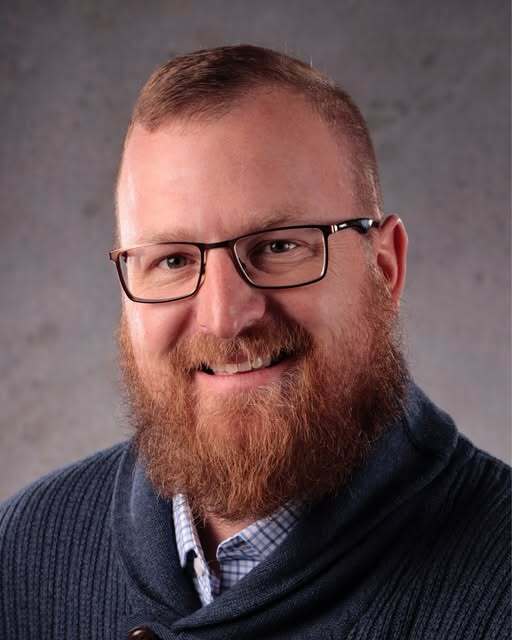
Trent Bourland: Leading With Purpose in Rural Healthcare
For Trent Bourland, leadership has always been closely connected to service.
Growing up with a deep appreciation for rural communities, Trent came to understand the resilience of the people who call them home. His years of active-duty service in the United States Air Force further shaped his approach to leadership, teaching him the value of organization, adaptability, and teamwork.
Today, Trent serves as Vice President of Rural Health at SSM Health, where his work centers on strengthening healthcare access and sustainability for rural communities. His professional focus includes rural healthcare advocacy, policy, technology, and innovative approaches to addressing the challenges facing rural hospitals and clinics.
For Trent, rural healthcare is about more than delivering medical services. It is about supporting the communities that depend on those services and finding sustainable ways to ensure people can receive care close to home.
That commitment has become a defining part of his career.
Building the Skills to Lead
As Trent’s career in rural healthcare developed, he recognized the need to strengthen his leadership and decision-making skills.
“I decided to pursue my Master of Science in Management because I recognized the critical need for strong leadership and strategic decision-making in healthcare, particularly in rural communities,” Trent said.
His Air Force experience had already taught him valuable lessons about leadership, adaptability, and building effective teams. He wanted to build on that foundation through formal education while gaining a deeper understanding of the organizational and strategic challenges facing rural healthcare.
“I saw this degree as a way to gain the skills needed to address the unique challenges faced by rural residents,” he said. “It has equipped me with the tools to lead effectively, advocate for equitable healthcare access, and drive sustainable solutions for underserved populations.”
Southern Nazarene University (SNU) offered Trent an educational environment where leadership and service were central.
“I chose SNU because of its strong reputation for fostering leadership and service, values that closely align with my personal and professional goals,” he shared.
SNU’s Master of Science in Management program also appealed to him for its flexibility. Trent balanced his education with professional responsibilities and family life, so an adaptable learning environment was essential.
“The program offered a flexible and supportive learning environment that was essential for me as I balanced my education with the demands of my career,” he explained.
Learning to Lead in the Real World
For Trent, the value of his SNU education extended beyond the classroom.
Flexible online and in-person learning options, an accelerated course structure, and a cohort model let him keep advancing professionally while earning his degree. The program also emphasized servant leadership and decision-making that aligned with his values.
“During my program at SNU, several aspects set it apart,” Trent said. “The program’s flexible learning options, including online and in-person formats, allowed me to balance education with my professional and personal commitments.”
The cohort experience provided opportunities to collaborate and build relationships with other professionals, while the curriculum gave Trent practical knowledge he could apply to his work.
“The cohort model fostered collaboration and networking with peers,” he shared. “These elements combined to provide an educational experience that helped to advance my career in healthcare leadership.”
The education Trent received at SNU has continued to inform his approach to the complex challenges of rural healthcare.
His professional work today includes advocating for rural healthcare and exploring ways technology can help address disparities in care. His work also reflects the importance of sustainable rural healthcare systems for rural hospitals and clinics.
Advocating for Rural Communities
Rural healthcare leadership requires more than understanding day-to-day operations. It also requires an awareness of the larger systems and policies that influence whether rural communities can maintain access to care.
That has become an increasingly important part of Trent’s work.
His recent professional advocacy has focused on issues including workforce shortages, reimbursement, access to specialty care, technology, and the long-term sustainability of rural healthcare organizations. He has also emphasized the role rural hospitals play beyond healthcare, describing them as important economic anchors within their communities.
In 2025, Trent earned the SHSMD Credential in Strategic Planning in Health Care, adding to his professional development in strategic healthcare leadership. His LinkedIn profile also reflects additional rural-health leadership and professional credentials.
His work reflects the same motivation that led Trent to pursue graduate education in the first place: a desire to serve rural communities well.
“My degree program set me up for success by equipping me with the leadership, strategic thinking, and problem-solving skills necessary to navigate the complexities of healthcare,” Trent said.
He also gained a stronger understanding of organizational management, financial oversight, and operational efficiency, skills that have remained relevant as his career has progressed.
“Through coursework and practical applications, I developed the ability to analyze challenges, implement innovative solutions, and lead teams effectively,” he explained.
From Education to Impact
Trent’s career continues to evolve, but his commitment to rural communities remains a consistent thread.
His current work at SSM Health gives him an opportunity to apply his experience and education on a broader scale while continuing to advocate for rural patients, providers, and communities. His recent work has focused on areas such as telehealth, rural healthcare policy, and technology as a tool to expand access to care.
Looking back on his graduate experience, Trent describes his education as both practical and personally meaningful.
“My experience was truly transformative,” he shared. “The program's emphasis provided a solid foundation for my role in rural healthcare leadership.”
He also remembers the support he received from SNU faculty and staff, who he described as genuinely invested in his success.
“SNU’s flexible and practical approach made it possible to balance my education with my professional responsibilities,” Trent said. “The values-based education not only enhanced my professional skills but also aligned with my personal mission of making a meaningful impact in rural healthcare.”
Leading With Purpose
Trent’s journey from military service to healthcare leadership demonstrates how education can build on the experiences professionals already carry with them.
His Master of Science in Management gave him an opportunity to strengthen the leadership, strategic thinking, and organizational skills he needed for a career dedicated to rural healthcare. Today, those skills continue to shape his work as he advocates for sustainable healthcare systems and better access for rural communities.
For Trent, purposeful leadership means more than holding a leadership position. It means understanding the needs of the people and communities her serves, recognizing the challenges they face, and working toward solutions that can make a lasting difference.
“I highly recommend SNU to anyone seeking a well-rounded, values-driven education that prepares them for both professional excellence and purposeful leadership,” Trent said.
Years after earning his degree, Trent continues to put that philosophy into practice, carrying the lessons of military service, graduate education, and rural community life into a career focused on making healthcare more accessible and sustainable for the people who need it most.
-1.jpg?width=352&name=-5%20(1)-1.jpg)