



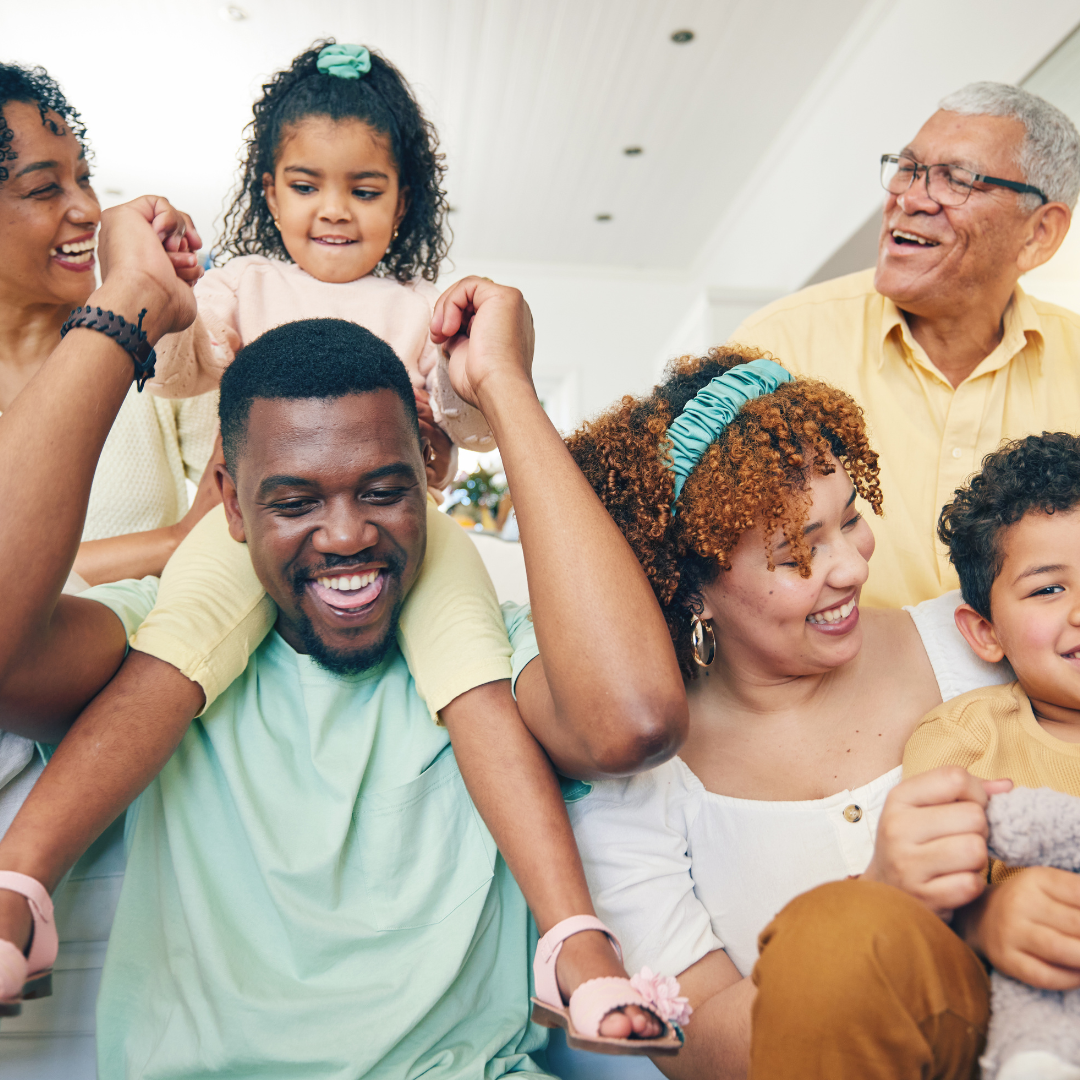
As people live longer, the ability to communicate effectively across generations is more critical than ever. Families, workplaces, community organizations, and even healthcare settings often include people spanning three, four, and sometimes even five generations. Different life experiences, personal values, and communication styles shape each person. These differences can lead to communication breakdowns, resulting in frustration, conflict, and missed opportunities for connection.
The good news is that intergenerational communication is a skill that can be learned, practiced, and strengthened. By understanding generational differences and applying proven communication strategies, caregivers, health professionals, coworkers, and family members can build trust, work together, and improve outcomes for individuals, groups, and family systems.
Continue reading for practical tips on communicating across generations, and discover how a Bachelor of Science in Family Studies and Gerontology (FSG) program, such as the one offered at Southern Nazarene University (SNU), prepares family members, caregivers, and professionals to better understand and more effectively communicate with people of all ages. Understanding the differences between generations is essential to improving your intergenerational communication skills.
Understanding Generational Differences Without Stereotypes
Modern families, workplaces, organizations, and communities often include members from multiple generations, including the Silent Generation, Baby Boomers, Generation X, Millennials, and Generation Z. (Families and communities also include Generation Alpha, but as they are individuals born after 2012, they have not yet entered the workforce.) Each of these generations has been shaped by its own cultural norms, experiences, historical events, and technological advancements. All of these elements contribute to differences in how people communicate.
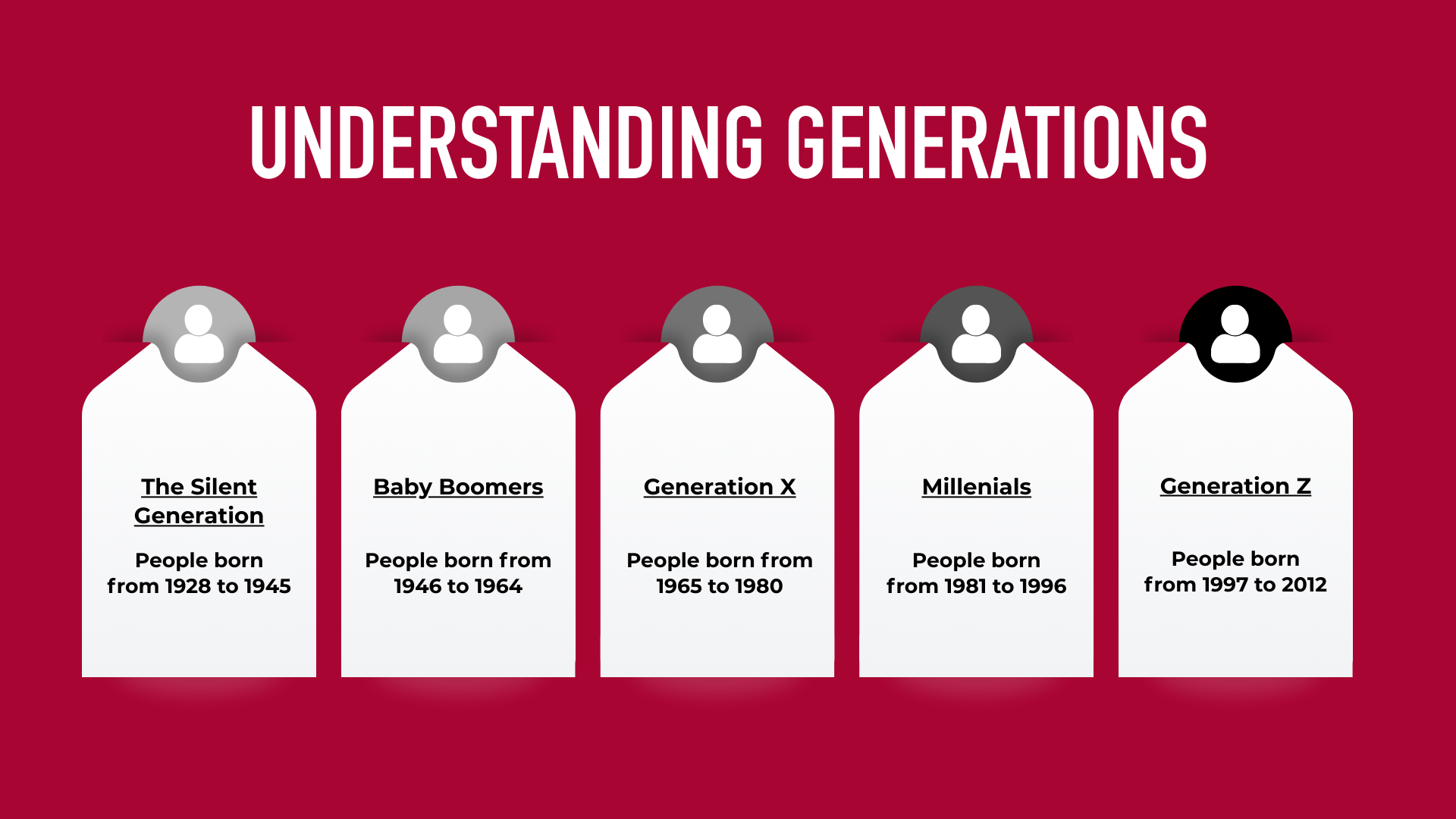
Effective intergenerational communication begins with avoiding stereotypes. It’s important to avoid generalizing across generations. For example, not every Baby Boomer struggles with technology, and not every member of Generation Z prefers texting over face-to-face interaction. These are the types of stereotypes that can hinder communication. In fact, experts on aging emphasize the importance of viewing generations as contexts rather than categories.
Communication is often better driven by curiosity than by making assumptions. Asking questions, listening openly and actively, and recognizing individual experiences and differences matter just as much as, if not more than, generational trends. Seeking to understand with a curious mindset helps lay the foundation for respectful and effective communication across age groups.
What Experts Say Are The Most Important Intergenerational Communication Skills
Research in family studies, gerontology, and counseling consistently highlights several core skills that contribute to effective communication across generations.
Active Listening
Active listening means fully focusing on what someone is saying rather than planning your response. In other words, it means listening to understand rather than listening to respond. Active listening skills include allowing pauses, reflecting back what you hear, and seeking clarification from the speaker. Utilizing these skills to help others feel heard can significantly reduce stress and conflict in caregiving, familial, and workplace settings.
Empathy and Perspective-Taking
Exercising empathy in intergenerational communication means recognizing that generations may view situations from different perspectives, shaped by their experiences and contexts. Perspective-taking helps bridge these gaps by encouraging individuals to put themselves in the other person’s shoes and imagine how they might be affected by the same experiences, fostering a more empathetic understanding and response.
Clear and Respectful Language
Using clear, concise, and respectful language helps to convey understanding in a conversation without being condescending. Avoiding slang, jargon, technical terms, or overly elevated language helps ensure that messages are received and understood as intended.
Nonverbal Communication Awareness
Body language and facial expressions play a powerful role in communication. Awareness of nonverbal cues and how they may be interpreted by others, including across generations, can help prevent misunderstandings.
Navigating Digital Communication Differences
Preferences for communication tools vary widely by age. Understanding when to call, text, email, or speak face-to-face with different individuals allows communicators to meet others where they are most comfortable, facilitating more effective communication.

Practical Tips for Communicating Effectively Across Generations
Applying effective communication skills in real life requires flexibility and intentionality. Here are practical strategies caregivers, family members, and professionals can use immediately to improve their communication skills.
Lead with Respect, Not Assumptions
Instead of assuming preferences or abilities based on age, ask open-ended questions. This is essential for every age, and is especially applicable when communicating with adolescents and seniors. Respectful curiosity builds trust and encourages collaboration.
Adapt Your Communication Style
Adjusting the pace, tone, and format of your communication depending on the person or people you are communicating with can make a significant difference. For instance, some people appreciate long, detailed explanations, while others prefer brief, concise communication. Flexibility in these areas shows consideration and professionalism.
Practice Emotional Awareness
Many intergenerational conversations involve sensitive subjects, such as health, independence, finances, or family roles. Being aware of both spoken and unspoken emotions facilitates supportive, productive communication.
Clarify and Confirm Understanding
Summarizing the key points of a conversation and providing a space for questions ensures that everyone is on the same page. Using phrases such as “What questions do you have?” encourages discussion instead of stifling it.
Be Patient With Change
Learning new routines, adjusting to changes in health or ability, or adopting new technologies or communication methods often takes time. Patience, consistency, and open communication reinforce trust and reduce frustration.
Communicating Through Crisis and Caregiving Situations
Communication is especially critical during times of crisis, transition, or major changes. Especially when caregiver transition and major life changes are involved. This is because stress, fear, and uncertainty can heighten emotions and make communication more difficult.
In moments like this, compassionate communication is essential. This includes providing clear communication, acknowledging feelings, and maintaining emotional safe spaces. Caregivers and professionals who communicate calmly and consistently help individuals and families navigate challenging situations with greater confidence and maintain dignity.
Skills related to crisis communication are particularly important for roles in:
- social services
- healthcare professions
- geriatric support
- other fields where compassion and understanding directly affect outcomes
How SNU’s Family Studies & Gerontology Program Prepares Students for Intergenerational Communication
Southern Nazarene University’s Bachelor of Science in Family Studies & Gerontology program is designed to prepare students for meaningful work with individuals and families across all stages of life.
Relevant Coursework
- Family Communication helps students understand family systems, communication patterns, and relationship dynamics.
- Introduction to Counseling builds foundational skills in listening, empathy, and interpersonal communication.
- Family: Coping with Crisis focuses on communication during times of stress, loss, and major life transitions.
Key Skills Developed
Students in SNU’s FSG program gain expertise in:
- Human development across the lifespan
- Family systems and communication
- Gerontology and caregiver support strategies
- Compassionate leadership and advocacy
- Program planning and nonprofit operations
Unique Program Features
- Cohort Model: Students progress through the program with the same group of peers from start to finish, fostering collaboration, community learning, and strong communication skills.
- Practicum Experience: This intensive, field-based learning experience allows students to apply communication strategies and other skills in real-world situations. The practicum includes a research component, creating a relevant, meaningful learning opportunity tailored to each student.
Careers That Rely on Strong Intergenerational Communication Skills
Graduates of the SNU’s FSG program are prepared for careers where effective communication across generations is key, including:
- Family Life Educator
- Social Services Case Manager
- Healthcare Navigator or Patient Advocate
- Community Outreach Coordinator
- Nonprofit Program Manager
- Geriatric Program Director
In these roles, communication is not only helpful but central to serving families, individuals, organizations, and communities.
Communication That Connects and Supports
Communicating effectively across generations can be incredibly beneficial. It strengthens relationships, improves care, and fosters understanding in families, communities, and workplaces. While generational differences can present challenges, they also create opportunities to learn, grow, and connect.
Intergenerational communication skills are refined through intentional practice and education. Southern Nazarene University’s Bachelor of Science in Family Studies & Gerontology prepares graduates to make a meaningful impact across generations and equips them to communicate with clarity, compassion, and confidence.

-1.png?width=352&name=Blog%20Photos%20(56)-1.png)